Beyond Automation: How AI That Thinks and Cares Is Transforming Aged Care in Australia
Introduction: From Tasks to True Understanding
For years, technology in aged care has focused on doing things faster. Automated rostering, digital care notes, and scheduling tools have helped reduce paperwork. Yet something has been missing the ability to truly understand what care means.
Today, a new kind of artificial intelligence is changing that story. It’s not just automation anymore. It’s intelligence with intent. AI that learns, adapts, and supports real human decision-making. This is the next chapter of aged care one where technology doesn’t just follow instructions, it collaborates.
What Is Agentic AI and Why It Matters for Aged Care
Agentic AI refers to intelligent systems that can understand goals, interpret context, and take thoughtful action. Instead of waiting for human prompts, these systems anticipate needs and respond dynamically.
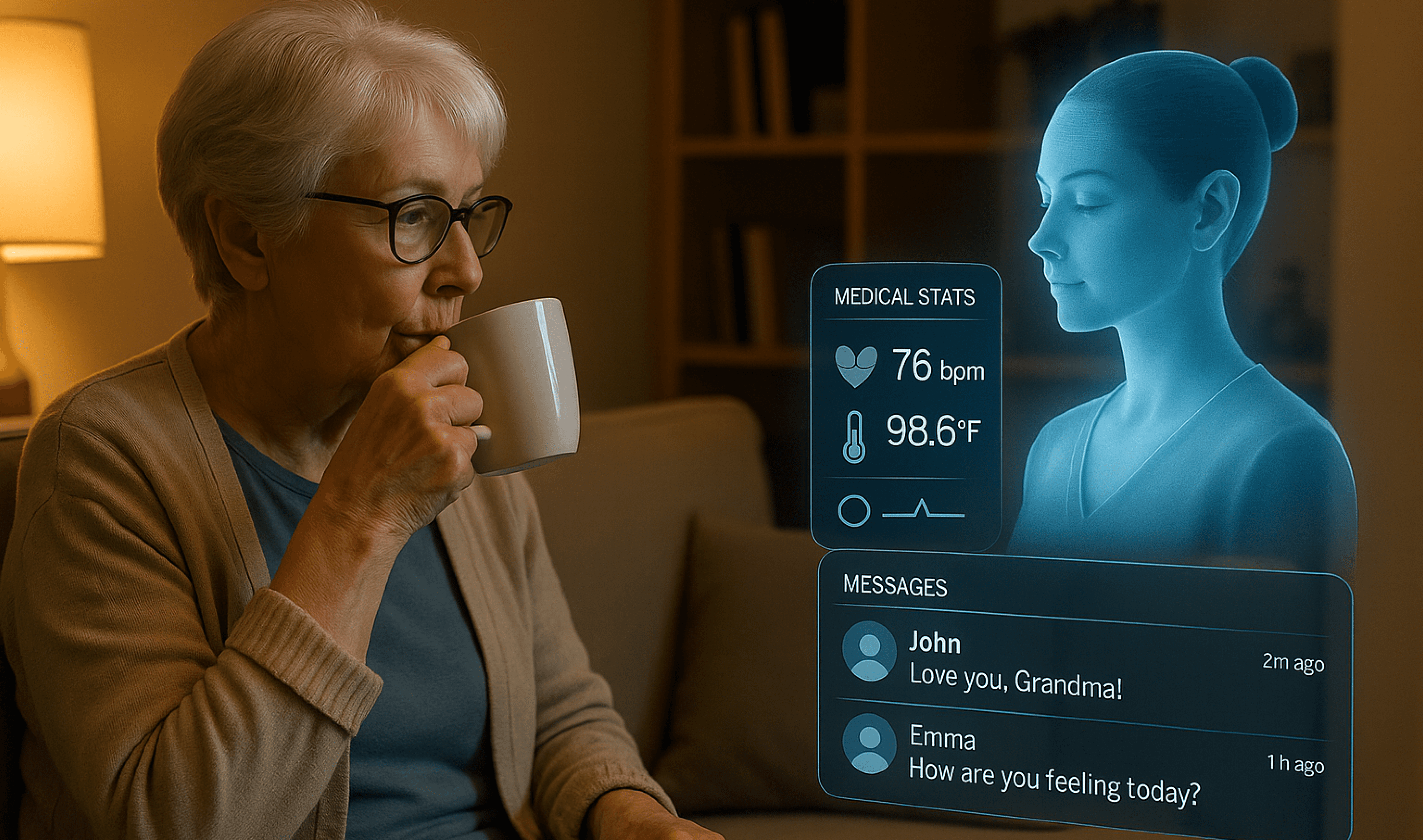
Imagine an AI system in an aged-care facility that notices when a resident’s movement patterns change and alerts staff early to possible mobility issues. Or one that analyses care notes and automatically recommends adjustments to medication times to better suit the person’s sleep cycle.
This kind of technology doesn’t replace human carers. It enhances them. It frees them from repetitive tasks and gives them time back to focus on what truly matters human connection.
How AI Is Changing Daily Operations in Aged Care
Across Australia, care providers are starting to integrate intelligent systems in daily workflows. Some of the biggest transformations are happening behind the scenes:
1. Smarter Rostering and Workforce Planning
AI tools can predict workforce demand, match the right carers with residents, and automatically fill shifts. Instead of endless admin juggling, managers gain time to lead teams and support quality care.
2. Predictive Health Monitoring
Agentic AI can analyse behavioural and health data in real time, identifying early signs of risk such as dehydration, falls, or changes in mood. This allows early intervention, preventing hospital visits and improving resident outcomes.
3. Personalised Resident Experience
By learning individual preferences from meal choices to social activities — AI systems help staff provide more personal, dignified care without needing to rely solely on manual notes.
4. Reduced Administrative Load
Automating documentation, compliance reporting, and scheduling frees up valuable hours. Carers can spend less time on screens and more time with residents.
The Human Side of AI: Empathy Meets Efficiency
One of the greatest misconceptions about AI in aged care is that it replaces empathy with algorithms. In reality, the best systems amplify empathy. When staff are supported by technology that handles routine tasks and highlights risks, they can devote more energy to building relationships and providing emotional support.
AI also acts as a safety net for carers. It reminds them of care plans, suggests better workflows, and provides insights they might otherwise overlook. In a sector where burnout is a constant challenge, this kind of support can make a world of difference.
Real-World Impact: A Glimpse into the Future
Imagine walking into a residential aged-care home where care coordinators no longer spend hours updating rosters. Instead, an AI system predicts upcoming needs, fills gaps, and alerts managers to any compliance concerns automatically.
Residents feel more seen because their preferences and health patterns are understood. Families receive timely updates. Carers have calmer shifts and more meaningful moments of interaction.
That is not a distant dream. Australian providers are already piloting systems like this today. As regulations evolve and technology matures, these intelligent assistants will become an integral part of care delivery.
Balancing Innovation with Ethics and Trust
With all new technology, especially in care, trust and ethics must lead the way. Providers need to ensure data privacy, transparency, and fairness in every AI-driven decision.
Agentic AI should never override human judgment. Instead, it should inform it. The best systems are designed to listen, learn, and act with accountability not replace the compassion and critical thinking of carers.
Conclusion: The Next Step in Caring Technology
The future of aged care in Australia is not about robots taking over. It’s about intelligent systems that think and care alongside humans.
When AI becomes a true teammate, aged care becomes more personal, efficient, and humane. Providers that embrace this change early will not only improve outcomes but redefine what compassionate care looks like in the modern era.