How AI Transforms Workforce Performance for Modern HR Leaders

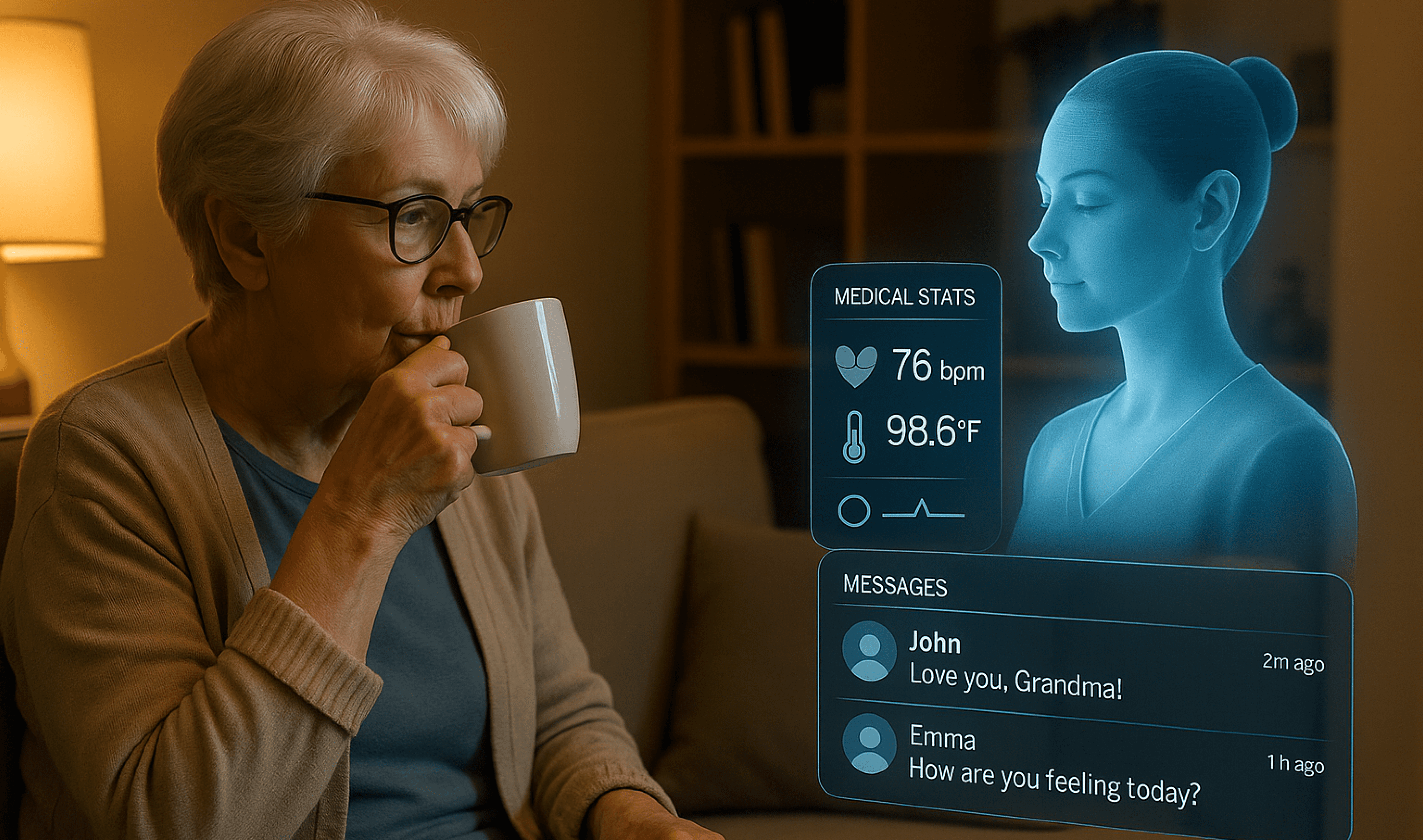
The Australian aged care sector is undergoing unprecedented change. Growing client complexity, chronic workforce shortages, higher regulatory scrutiny and the expectation for continuous service quality have placed significant pressure on HR leaders. The sector is shifting from traditional administration focused HR to strategic, data informed workforce leadership. Artificial Intelligence has become a key enabler of this shift. It does not replace human judgment. Instead, it provides the informational infrastructure that allows providers to operate more predictably, allocate staff more effectively and make decisions with real clarity.
This blog explores how HR leaders in Australian aged care can use AI to build a workforce that performs at its peak. It covers attrition prediction, smart hiring, workforce efficiency, training intelligence, culture development and the increasingly essential capability of smart rostering. It also includes an applied perspective on Curki AI which is designed for aged care environments. The goal is to provide a practical, information rich guide that helps HR leaders strengthen workforce sustainability.
Understanding the Workforce Challenge in Australian Aged Care
The Australian aged care system is forecast to experience a significant rise in demand as the population ages. The national workforce already faces shortages across nursing, personal care, allied health and support roles. At the same time, reforms introduced through the Aged Care Quality Standards, Strengthened Quality Standards and new reporting requirements such as AN ACC create additional administrative and compliance work. HR teams must maintain the right staffing levels, ensure skills meet clinical and care needs, and support staff wellbeing in an environment where burnout remains a major risk.
AI is becoming valuable because it can identify patterns that are not visible through spreadsheets, intuition or periodic reporting. It connects operational data, HR data and rostering data so leaders can see trends early and intervene proactively. This shift from reactive to predictive HR management is essential for sustainable, high quality aged care delivery.
Predicting Attrition and Burnout Before They Occur
Attrition has a direct impact on care continuity, recruitment cost and client satisfaction. Traditional HR model relies on exit interviews and monthly reports which are too slow for early intervention. AI provides the ability to analyse multiple indicators such as shift patterns, overtime, sick leave, incident reports, training engagement, feedback sentiment and performance metrics. When combined, these indicators can highlight early risks of burnout or disengagement.
AI driven attrition analysis supports HR leaders in three ways. First, it identifies staff who may be at risk so that managers can hold supportive conversations. Second, it reveals systemic patterns such as units with high stress, inconsistent leadership or excessive workload. Third, it informs workforce planning by predicting potential shortages ahead of time. In aged care, where continuity of care is critical, preventing staff loss through early insights is one of the most valuable contributions AI brings to HR.
Smart Hiring that Focuses on Skills, Culture and Long Term Fit
Recruitment in aged care goes beyond technical qualification. Cultural alignment, compassion, communication and reliability determine long term performance. Yet recruitment workflows are often constrained by time pressure and large candidate volumes. AI supported hiring tools can process resumes, match skills with roster needs, analyse behavioural indicators from assessments and screen for long term fit. These tools increase the accuracy and consistency of decision making while allowing HR teams to redirect time to interviewing, onboarding and relationship building.
AI based hiring should always be paired with human oversight to avoid bias. Transparent criteria, validated assessment models and continuous monitoring are essential. When applied correctly, AI enables HR to build teams that are more aligned with organisational values and the requirements of the aged care environment. This reduces turnover, improves client experience and strengthens team cohesion.
Workforce Efficiency and Visibility Across the Organisation
Many aged care providers struggle with fragmented data. HR information, clinical systems, time and attendance software and rostering platforms often operate separately. This creates blind spots in understanding staff utilisation. AI brings these data sources together so HR leaders can see real time capacity, skill distribution, idle time, overtime pressure and compliance gaps.
Visibility is particularly important for mobile and community based care where travel times, client needs and staff availability constantly shift. AI can highlight inefficiencies such as unbalanced workloads, unnecessary travel, understaffed shifts or unutilised qualifications. It can also support redeployment recommendations that ensure the workforce is used effectively without increasing headcount. In a sector with tight margins, workforce efficiency directly influences financial sustainability.
Smart Rostering and the Role of Curki AI
Rostering is one of the most operationally intensive tasks in aged care. Providers must manage client needs, acuity requirements, staff qualifications, availability, preferences, regulatory ratios, travel constraints and enterprise agreement rules. Manual rostering often results in inconsistencies, overtime overspend, last minute changes and compliance risk.
Smart rostering systems use AI to automate significant parts of roster creation and optimisation. Curki AI, for example, analyses shift coverage, staff skill sets, location, cost controls, fatigue management and compliance requirements. It generates roster recommendations that align workforce capacity with client needs. HR teams can focus on quality assurance while the system handles rules, calculations and conflict resolution.
Training Intelligence that Supports Continuous Improvement
The aged care workforce requires constant upskilling to meet evolving care standards, clinical guidelines and regulatory expectations. Traditional training often uses a one size fits all format which does not reflect individual skill gaps. AI supported learning platforms can analyse performance, incidents, client feedback and competency data to recommend tailored training paths.
Individualised training leads to greater retention of knowledge and more relevant skill development. It also helps HR leaders see which training initiatives have measurable impact. AI can show whether training reduces incidents, improves client outcomes or strengthens compliance. This evidence based approach ensures that education budgets are used effectively and that learning is directly connected to service quality.
Governance, Compliance and Workforce Risk Management
Regulatory compliance is a major pressure point for aged care providers. AI enhances compliance by monitoring rostering rules, documentation completeness, skill coverage and qualification currency. It provides audit ready data trails which reduce administrative pressure during assessments or accreditation.
Real time compliance visibility also reduces organisational risk. HR leaders can act quickly when qualifications expire, training gaps appear or staffing ratios fall below required thresholds. Automated alerts prevent small issues from escalating into compliance breaches.
The Future of HR Leadership in Aged Care
HR leadership in aged care is becoming more strategic. The ability to interpret data, build predictive models, redesign workflows and oversee AI governed processes is now essential. Providers who integrate AI early gain stronger control over workforce planning, cost management, staff wellbeing and service quality.
The future workforce will rely on continuous analytics. Rostering, hiring, learning and culture management will all integrate within AI supported ecosystems. HR leaders who build data literacy and cross functional collaboration will shape high performing aged care organisations that deliver safe, consistent and person centred care.
Conclusion
AI is not a replacement for the human touch that defines aged care. Instead, it strengthens HR leaders with better insights, faster decision making and more predictable workforce management. Predicting attrition, improving hiring accuracy, increasing workforce efficiency, delivering personalised training and enhancing culture are all amplified when supported by AI. Smart rostering and systems like Curki AI add an essential layer of operational intelligence.
The aged care sector will continue to change. Organisations that adopt AI driven workforce strategies position themselves for long term sustainability, better staff engagement and improved client outcomes. HR leaders play a central role in guiding this transformation and ensuring that technology serves the people who deliver care every day.
If you are exploring ways to reduce workforce pressure, strengthen your HR capability, modernise rostering or introduce practical AI into your organisation, you can book a free strategy call. This session will help you understand opportunities, clarify priorities and map next steps.
Book here: https://calendly.com/kris-aiagent/30min